
As a recently graduated college student previously living in Los Angeles, I know the far-reaching impact Southwest Airlines’ decision to serve pistachios on flights will have.
It will affect how I travel now as a working person with a severe pistachio allergy. But it would have had a major impact on me for school and team travel as a collegiate athlete. I frequently flew – and continue to fly – out of LAX, Burbank, and Reno-Tahoe airports. These three offer more Southwest nonstop routes than other airlines.
I have come to rely on Southwest for its affordability, convenience, and allergy-friendly environment. The combination has made air travel safer and less stressful with a severe tree nut allergy.
With the introduction of pistachios on board, I can no longer safely fly with Southwest. This forces me to seek alternative, often more expensive, travel options – posing a financial strain on my family and me.
It also will complicate college team travel for athletes with nut allergies. My former team, for instance, relies heavily on Southwest for frequent, direct flights across the West Coast and beyond. Had I still been there, I would have needed to coordinate separate travel arrangements with my coaches. This is not just a headache; it could have hindered my ability to travel and compete with my team.
Beyond logistics, Southwest’s pistachio introduction raises three major concerns for me:
- Increased stress and anxiety during travel.
- Risk of food cross-contact and limited confidence in the airline’s risk management.
- Potential humiliation and fear of being ostracized when requesting accommodations.
Let me walk through these points to illustrate real life for those of us with severe nut allergies.
1. Stress When Flying with Nut Allergy
First, introducing a major allergen into an enclosed space like an airplane inevitably adds anxiety for passengers with food allergies. We place trust in the plane’s filtration systems and the crew cleaning protocols. But deliberately serving pistachios adds an entirely new layer of concern.
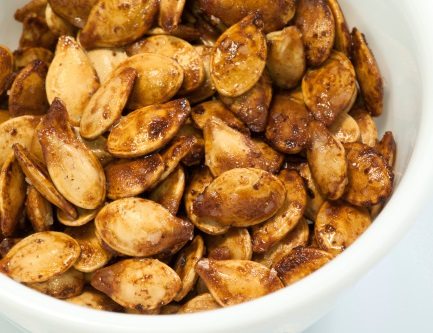
Although pistachios will only be served in Southwest’s “Extra Legroom” section, this isn’t a separate cabin like business/first class. There is no barrier between that front section and the rest of the seats.
Flying in that area is not an option for me, given the new ‘perk’ of pistachios. But even from a few rows back, the anxiety of watching others consume something I am severely allergic to strikes me as overwhelming.
As a child, I pre-boarded to clean my seating area. As I grew older and more confident, I no longer needed pre-boarding to do this necessary step thoroughly. With pistachios now introduced on Southwest, I will once again need that extra time to clean. For me, even trace exposures pose a serious risk.
Individual passengers may bring tree nuts on board. But there is a significant difference between that and an airline distributing another top 9 allergen in bulk. One is an uncontrollable variable. The other is a corporate decision that normalizes allergen exposure in a confined environment.
I think about all the families sending their kids to colleges across the country. Managing food allergies in the college environment is already stressful.
As a student, my flight home was a simple 55-minute trip from Burbank to Reno. But now that once-regular route seems a source of fear. For years, I relied entirely on Southwest to travel home. Now I find myself wondering how I would be able to fly safely again on this airline.
2. Risks of In-Flight Cross-Contact
Southwest promotes its fast turnaround and boarding process, but that quick turnover comes at a cost for people like me. Anyone who flies regularly has seen crumbs, wrappers, and residue left from previous passengers. I routinely have to finish the cleaning job myself just to make my space safe enough to sit in. If that is the current standard of cleaning, how can I trust Southwest to protect allergic passengers when pistachios are being intentionally served?
Residue from previous flights, unwashed hands, flight attendants handling pistachios, and then drinks without changing gloves – every step of the travel process becomes a potential point of exposure. Even getting up to use the restroom becomes a risk. In a space where allergens are purposely introduced, nut residue can lurk on bathroom fixtures, cabin seatbacks and more.
Running through these scenarios, I’ve reached an unfortunate conclusion. With pistachios on board, I cannot fly Southwest again. So I’d ask the airline: what is the plan for passengers with severe tree nut allergies? What if pre-boarding isn’t enough time to fully decontaminate a seating area? Will your crew be trained to change gloves every single time they interact with someone like me?
Southwest brands itself around a “relaxed” flying experience. But how does it reconcile that with passengers now boarding its planes in fear, fully aware that allergen residue may be on every surface they touch?
3. Risking Humiliation or Safety

For people with food allergies, speaking up can be humiliating and challenging. Imagine the pressure of asking a stranger – on a crowded plane – not to serve a life-threatening allergen and to let me board early just to make my seat safe. That takes courage, and too often, that courage is met with shame.
In middle school, on a Southwest flight, during pre-boarding, I discreetly asked that peanuts not be served. The flight attendant agreed, then announced to the entire plane that because of me, peanuts would “unfortunately” not be offered. I was publicly humiliated. Food allergies are an invisible disability, but moments like that make it painfully visible.
By choosing to serve a top allergen, Southwest is setting the stage for more of these moments. Passengers will be forced to choose between risking their lives or risking public humiliation. And if pistachios are being served in a separate seating area, what power do I even have to object? When I speak up, what guarantees do I have that I won’t be dismissed or retaliated against by passengers or crew members?
When Southwest removed peanuts from its in-flight service in 2018, this was a hard-earned victory for the food allergy community. It was one that made flying more accessible and less dangerous. Now, that progress is being reversed.
As a frequent flyer, I always board planes knowing there is risk. I’ve never flown without some level of fear. But this decision is different – because Southwest knows better.
The airline said it removed peanuts as a snack “to create an environment where all feel safe and welcome” on every flight. To knowingly introduce another top allergen anyway is not just disappointing – it feels like a deliberate step backward at the expense of allergic passengers’ safety.
Leila Moassessi, 22, is a graduate of Occidental College in Los Angeles who lives in Reno, Nevada. She currently works in the civic engagement field, focused on national and global security issues.
Related Reading:
Pistachios on Planes? Southwest Sparks Allergy Safety Concerns
It’s Come to This: ‘Borrowing’ Auto-Injectors on Planes
Airlines, Allergies Study: Stress, Insensitivity and Big Opportunity