
The U.S. Food and Drug Administration will host virtual public meetings in February on the possible use of food allergen thresholds. The FDA plans to explore such thresholds as risk assessment tools when determining whether a manufacturer needs to use an allergen label warning.
An allergen threshold is the amount of allergenic protein that a food-allergic person can consume before triggering a reaction.
Thresholds have been a big topic of conversation among food scientists for years. Experts have been discussing whether safe thresholds for top allergens can be established, then used to standardize warnings on food labels, such as “may contain”. In the U.S., these precautionary warnings are currently voluntary, added at the manufacturer’s discretion.
With the prevalence of such warnings on the rise, a threshold approach could greatly improve choices for food allergy shoppers. However, the food allergy community will want information and assurances about how potential thresholds for top allergens will be determined.
With the FDA’s meeting series, the food allergy community has the chance to learn more about the role allergen thresholds could soon play in allergen labeling.
FDA Meetings on Thresholds: The Details
The FDA’s virtual meeting and listening sessions will be held February 18 to 20, 2026. They also give members of the public a chance to have their say. The lineup includes:
- Public meeting: February 18, 10:45 a.m. to 4 p.m. (EST). Presentations and panel sessions will include information about current FDA food allergen requirements, thresholds, global practices, risk communications, and potential applications.
- Listening sessions: February 19 and 20, 10 to 11:30 a.m., and 2 to 3:30 p.m. (EST). Topics include food allergen thresholds concepts, labeling perspectives, manufacturing perspectives, and practical considerations.
- Registration for the public meeting: Participants must register by the start of the public meeting on February 18. That meeting will be livestreamed on the FDA’s Youtube channel here. Registrants receive a direct link.
- Submit comments: The docket FDA-2026-N-1304 at regulations.gov opens on February 18 for submitting your comments on thresholds and precautionary warnings. Comments must be submitted on or before May 19, 2026.
- Registration for the listening sessions: Participants had to register by February 3.
- Submit questions: Questions for consideration during the public meeting had to be submitted through the registration process by February 3.
More information on the meetings, including agenda, listening session topics and background resources is available here.
Inconsistent Labels: A Global Issue
Consumers rely on manufacturers’ labels for clear, accurate information about major allergens included as ingredients in packaged foods. In the United States, the top 9 major allergens must be clearly labeled on packaged foods under the Food Allergen Labeling and Consumer Protection Act (FALCPA).
However, things get murkier when it comes to whether a product could have unintended cross-contact with an allergen during processing. Labels for the “may contain” situation are inconsistent in their meaning and use. This has led to consumer frustration – across the globe.
“May contain” or “made in a facility” allergen statements are currently voluntary. So there is no federal standardization for the precautionary allergen labeling (‘PAL’) advisories. Without standards, many food makers simply apply the labels broadly, sometimes as a legal precaution.
The Codex Committee on Food Labeling has been working to standardize advisory labels for years through scientific data analysis and meetings. The Codex labeling committee works on behalf of the Codex Alimentarius Commission, an international food standards program established 60 years ago.
The commission, established by the UN’s Food and Agriculture Organization (FAO) and the World Health Organization (WHO), formulates voluntary international standards and guidelines. These make up the Codex Alimentarius (or “Food Code”).
The Codex committee suggested in May 2023 that to standardize PAL, the “may contain” labels should only be used based on risk assessment that is determined by threshold levels.
Threshold Levels Weighed
The global experts recommended a threshold level for each top allergen, below which they say the vast majority of allergic consumers would not react. Those reference doses are based on a 2022 FAO/WHO report to establish threshold levels. They could guide food companies and regulators on when to use a PAL warning.
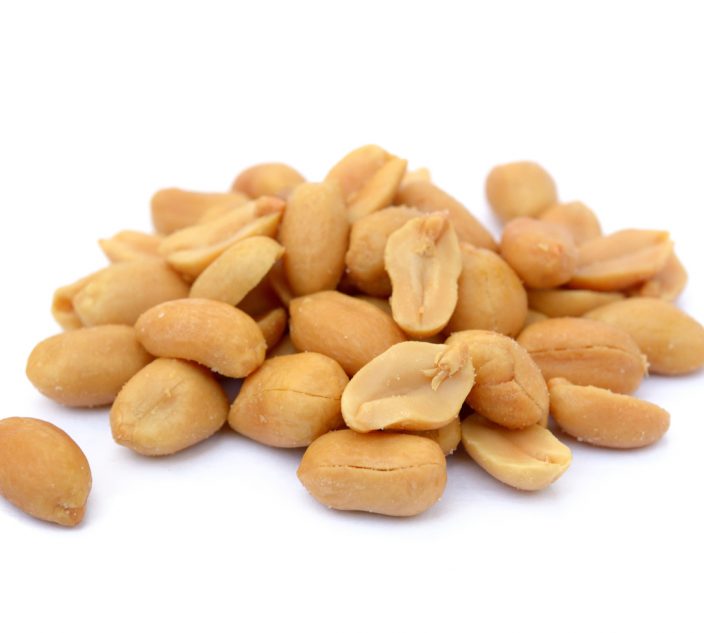
For example, the recommendations include thresholds of 2 milligrams (mg) total protein from peanut and 5 mg total protein from wheat, according to a 2023 Codex committee meeting document.
Threshold levels that elicit a reaction can vary with the individual, as we know from oral food challenges and oral immunotherapy. In addition, co-factors such as exercising, drinking alcohol or taking certain medications can play a role in whether someone reacts.
Those types of variables are among the issues when considering the use of allergen thresholds. In addition, one former FDA analyst has voiced some concern about the data analysis behind the suggested reference doses.
While these concerns must be addressed, most allergy experts agree that precautionary warning labels need to be standardized. Global discussion has noted that threshold levels would provide a clinical backbone to the allergen label information.
While the FDA has been involved in the Codex talks considering thresholds, it has not yet “established or endorsed any allergen threshold levels,” the FDA states.
For the food allergy community, the FDA’s meeting series on thresholds will be important and informative. Please stay tuned for Allergic Living’s coverage. We hope many of you watch and submit questions, as well.
Related Reading:
May 2023: Experts Seek Global Allergy Labeling, Revised Top Allergens List
June 2023: Food Allergy Experts Weigh In on: Global ‘May Contain’ Labels
Update on Rewards, Risks of Baked Food Challenges for Milk and Egg Allergies