 Photo: Getty
 Attending a birthday party is tricky territory with food allergies. You want your child to be able to join the fun. Yet, from the cake to lunch and parting goodie bags, these parties are fraught with food allergy concerns. So how to go about helping your child to take part safely?
Allergic Living turned to three experienced food allergy advocates to help navigate the world of the kid’s birthday party. Our experts are: Gina Clowes, a certified parenting coach and founder of AllergyMoms.com; Beatrice Povolo the director of media relations and advocacy for Food Allergy Canada and Susan Clemens, an allergy advocate and former social media moderator for Allergicliving.com. All three have children with multiple food allergies. Following is the advice they had to offer.
Step 1: Reply to the Invitation
It’s important to call or text soon after receiving the invite.
Start with a gracious thank you and share that your child is thrilled to be invited.
– Find out where the birthday party will be held. For instance, will it be at the host’s home or a public venue?
– With this information to guide you, bring up (or remind them of) your child’s food allergies. Ask when would be a good time to go over a few details, both to keep your child safe and to resolve any concerns about your child attending. Then schedule accordingly.
The Conversation: Stress that you’re happy to help in any way, and calmly move onto the key points:
- Will the party involve a meal or snack?
- What activities will take place? Might there be a risk of exposure to allergens? Look for solutions to minimize any risks.
- What will be the order of activities? For instance, if the party starts with a pizza lunch and your child’s dairy allergic, could the host and her helpers ensure all guests have washed their hands?; Then your child could arrive after lunch but before cake is served.
– If the party includes lunch at a home, discuss that you’ll send your child with something safe to eat. Learn more in Step 2.
– Discuss cake plans. See Step 4.
– Ask the host if she is familiar with using epinephrine. Ask for a coffee date before the party so you can show her how to use your child’s epinephrine device. It’s the perfect time to review your anaphylaxis emergency plan (also called the food allergy action plan), too. Step 5 details that conversation.
Step 2: What to Bring to the Party
If lunch is being served, our allergy mom advocates prefer telling the host they’ll send along a comparable safe lunch for their child. (You may need to explain briefly that there are issues such as hidden ingredients that can make avoiding allergens challenging.) Sending your child with their own lunch is the safest and easiest way to go.
– For allergies like nuts, peanuts – why not offer to contribute the ice cream? That way, it will be allergy-safe and, bonus, you’re helping!
– Beatrice Povolo says: “lf they are having pizza from a local restaurant, I’ll make or buy pizza that is similar.” This has helped her son to not feel “different.”
– For a house party, Povolo offers to bring a snack that her son and the rest of the kids will all like. Perhaps a party size bag of safe potato chips.
– Susan Clemens always brings lots of wipes — ever handy around allergic kids and others don’t always have them.
Step 3: What You Can Do
– Why not offer to help supervise the party? Many parties require extra adult eyes, such as mini golf, play gyms and kids’ theater outings. This is also true of larger home parties.
– Whether you drop off your child or stay depends on the birthday party situation, the host’s comfort level managing allergies, and your child’s anxiety and ability to manage his or her allergies. Trust your instincts on this.
– If the party will be at a facility, such as an indoor playground, wave pool, museum or beading venue, contact the management to inquire about allergen policies. (Quite a few facilities that cater to kids now have peanut/nut restrictions.)
– Restaurants don’t, as a rule, permit outside food. But if you explain the allergies in advance, they may make an exception, allowing you to bring in safe food.
Step 4: Birthday Party Cake & Allergies
What’s a birthday without a cake? But of course, it presents one of the biggest allergy risks.
– Relieve the host of the burden of trying to provide an allergy-safe cake. Offer to bring your child’s own slice of cake or a cupcake. That way, your child is included, but safe. To help your child fit in, Clemens says to ask that the “special” cupcake or slice not be served before the first piece of birthday cake.
– This said, Povolo has found it fairly common for the birthday child’s parents to ask if there is a bakery she can recommend for buying a safe cake. She knows of some. “lf they do that, l offer to pick it up.”
Step 5: In-Person Follow-up
This is your planned meeting with the host, perhaps over coffee, to discuss the birthday party and allergies.
– Quickly re-confirm the events at the party and the food that’s being served. Explain the concept of cross-contact in the kitchen. Stress that if your child’s safe foods are kept separately and touched with fresh utensils, there should be no issues.
– Bring a copy of your child’s anaphylaxis emergency plan for the host, and point out the symptoms of an anaphylactic reaction.
– Stress that if your child was to get symptoms, prompt use of his/her epinephrine is the correct action. Explain why: it’s easier to stop a reaction in the early phase.
– Epinephrine training: Explain what kind of epinephrine device your child uses, needle-free (e.g, a nasal spray) vs. an auto-injector.
If an auto-injector, first try to defuse fear – it’s not a “big needle;” it’s a life-saving device. Gina Clowes brings along an orange and an expired auto-injector and lets the parent give the orange a practice dose. Or simply bring along an auto-injector and a trainer for demonstrating.
– Mention that the emergency protocol after administering epinephrine is to call: first 911, then you.
– Be sure to thank the party host from the heart for accommodating your child.
– Povolo and Clowes say this meeting is also important for letting the host express her own comfort level. lf there is any hesitance about using epinephrine in an emergency situation, Povolo would always “offer to help supervise during the meal.”
– Important: do the epinephrine training before the party. The host is far too busy on party day.
Step 6: Drop Off or Stay?
– Povolo advises staying if the child is: unusually anxious or not ready to be left (there is no magic age for this). Also stay if the host parent asks that you do.
– By the time her son was 9, Clowes would still attend a party if it takes place at a public venue her son’s not familiar with. At house parties when he was younger, she would just be frank about her feelings. “I’d say, ‘I’m a little nervous to leave Daniel. He is still impulsive sometimes about what he eats. I can hang out and read, but I’d also be so happy to help. Anything I can do?”
– Clemens often goes and takes fun, candid photos of the kids. She shares the photos with the host post-party as a thank you for letting her attend. Given her daughter’s list of allergies, “when I delicately ask if I can be allowed to stay, the response is usually one of relief.”
Step 7: Birthday Party Favors & Allergies
– Ask about the loot bag – you may want to offer up similar but safe treats, which the host can put in one of her bags, and set aside for your child. Or perhaps she’ll offer to look for cool, non-food items.
– Clemens says: covertly check the loot bag at pickup time. Bags can get mixed up; or you may want to substitute some safe candy before your party-goer has a peek.
– Watch out for: activities that may involve food. For instance, a piñata. Is there candy in that?
Step 8: Prepping Your Child
– Before speaking with the host, Clemens likes to ask her daughter what issues she would raise. “By involving the child, you ensure she or he feels safe, and it limits anxiety. It becomes less of “Mommy has to keep me safe,” and more “I can keep myself safe.”
– Instill confidence: remind the child that he/she has his epinephrine and knows how to use it. Get the child to repeat the allergy rules known by heart (no sharing, no eating unknown foods, wash after eating). The message? See, you know this stuff!
– Remind your child that you’ll be nearby with your cell phone if there are any problems. If your child thinks he or she is getting symptoms, they should tell the host right away.
– Clowes used to emphasize to her son that “he never has to eat anything he has a question about.” That’s a great anxiety diffuser.
– Role play can be helpful: Ask “what will you say?” if an adult at the party (or anywhere) offers a food the child can’t eat. When her son was young, Clowes discussed turn-down options for her son. They ranged from “no thank you” and “I’m allergic” to “I just ate” in a situation where he didn’t want to stand out. (The point was, he turned down the food.)
– Matter-of-factly ask your child for his or her thoughts on the party. If there are lingering concerns, discuss and resolve.
– Don’t just talk allergy issues. Be enthused about the party and celebrating a friend. Get the child to bring up gift ideas. With food allergies, we “prepare” for fun, but we want fun all the same.
 Photo: Getty
 Step 9: Arriving at the Party
– If you are staying, make sure your child is aware of this before the party and knows why. A surprise could embarrass.
– If you have decided the situation looks good for dropping off your child, the host should be given the allergic child’s food along with the cake substitute and any safe candy.
– Remind the host about the cross-contact issue, and ask that she be the one who serves the food to your child with food allergies. (Other helpers aren’t trained on precautions.)
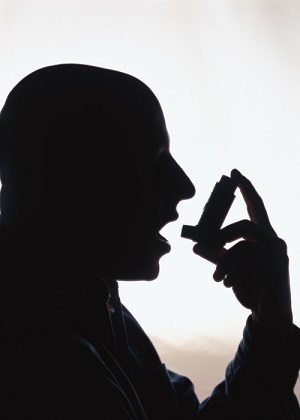
– With allergy training done in Step 5, you should just show that the anaphylaxis emergency plan, epinephrine device (and puffer for asthma if required) are in the medicine bag. Pull out the plan and highlight the best number to reach you during the party.
– Always get the host’s cell number.
Step 10: Letting Go
A few last thoughts from Gina Clowes: “Yes, our kids have more to deal with because of their allergies. But our job as parents remains the same: teach them to be in this world on their own.”
“So if you feel comfortable that your child is ready to attend a party on his/her own, make sure that the caregivers are trained in avoiding, recognizing and treating an allergic reaction. Make sure your child is clear on exactly what he can and cannot eat, and that he knows that he must report symptoms of a reaction immediately to the designated adult.”
“You have trained him to get to this point. So, then you kiss his little face and let go. Visualize him (or her) coming back to you having had a wonderful time at the party. And in a few short hours, this will come true.”
Birthday Party and Allergies Talk
Tone is everything in communication. With the host parents, be courteous and respectful of their child’s special occasion. “Can I do this to help?” will win you friends. “You must” sounds demanding, perhaps intimidating and off-putting.
It’s not a good idea to “wing it” in your pre-party discussions with the host. Anaphylaxis is serious and so you want to be organized, clear, succinct and calm. We suggest using this guide to help you during your initial communication with the host and follow-up conversation, adding your own questions to reflect your particular allergy situation and concerns.
– Stay focused on the positive, and inspire the host to have a similar attitude about your child. Beatrice Povolo speaks of her son’s allergies as important but quite manageable. She avoids presenting her son in a negative light, e.g., “Poor Joey really wants to come, but he has these allergies …”
– Be an allergy ambassador, says Susan Clemens. “Welcome questions, but don’t preach.” She reminds: “The party is not about your child. Special allowances need to be done smoothly and without fanfare.”
– Say thank you. A lot.
Related Reading:
7 Fast Tips for Food Allergy-Friendly Birthdays
Save
Save