Roast Prime Rib Au Jus

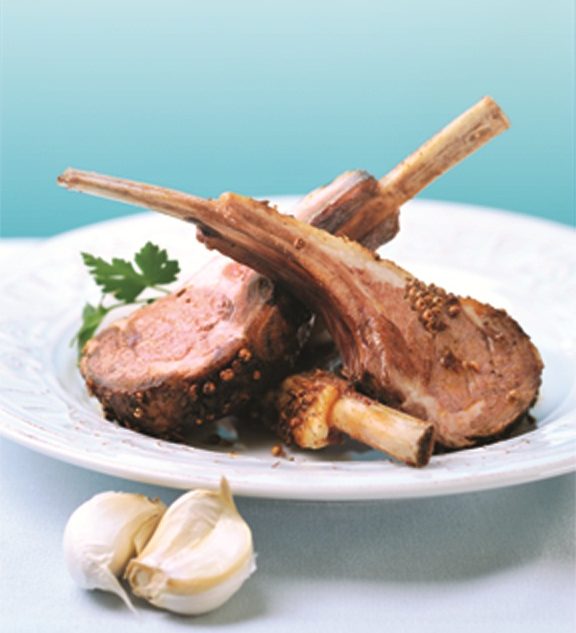
For the holidays – or any special occasion – nothing quite matches a great Roast Prime Rib “au Jus”. It’s a fine restaurant-level main dish, and one Allergic Living’s Chef Simon prepares to perfection.
Chef Simon’s preferred method for a three-rib prime rib roast is to cook it for 45 minutes at 500 degrees F. For a two-rib roast, he cooks it at the same temperature for 30 minutes. For a 4-5 rib roast, make it the same temperature for one hour.
His big trick is, for any size roast, is to follow with 2 hours in the closed oven with the temperature turned off. (Leave it alone – no peeking!) This maintains a steady, decreasing temperature, so the roast will be cooked and tender.
His “jus” is a savory sauce, reduced in half, in classic French cooking style. This recipe is bound to please, whatever your occasion.
Makes: 4-6 servings
Free of: gluten and all top allergens
Photo: Chris Gonzaga
Ingredients for Roast Prime Rib
- 1 three-rib prime roast, trimmed and tied (ask butcher to do)
- 4 cloves garlic, minced
- 1/2 cup (120 mL) fresh thyme leaves finely chopped
- 1/4 cup (60 mL) olive oil
- Pepper and salt
- 4 cups (950 mL) beef stock [look for allergen-free brand]
- 2 cups (475 mL) red wine [if you prefer not to use wine, replace with same amount of allergen-free beef stock]
- 2 shallots, sliced
- 4 cloves garlic, sliced
- 1 tbsp fresh thyme leaves
- 2 bay leaves
Instructions for Roast Prime Rib Au Jus
- Heat oven to 500 degrees F. Meanwhile bring the roast to room temperature.
- In a small bowl, combine garlic, thyme, oil, pepper and salt. Rub mixture over the roast, coating well.
- Place beef, fat side up, into your roasting pan. Cook for 45 minutes at 500 degrees F.
- Turn oven off, do not open oven door for two hours. This maintains a steady, decreasing temperature, so the roast will be cooked.
- Meanwhile, combine remaining ingredients into a medium saucepan.
- Boil until reduced to 2 cups. Remove bay leaves and serve the “jus” over the sliced roast beef.
Sign up for Allergic Living's free newsletter for more great allergy-friendly and gluten-free recipes, plus the latest food allergy research and news.