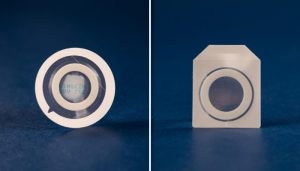
A large Phase 3 trial of the Viaskin Peanut Patch demonstrated a significant therapeutic effect in kids who spent a year on the skin patch.
The trial, called VITESSE, evaluated daily use of the patch in peanut-allergic children ages 4 to 7. The double-blind trial involved 654 children at sites across the globe. Two-thirds of study participants were on the active patch, while the rest were on a placebo version.
DBV Technologies, the company behind Viaskin, says this is the largest food allergy treatment trial to date.
How VITESSE Trial Worked
To enter the trial, children needed to react to 30 to 100 milligrams (mg) of peanut, called their “baseline eliciting dose”.
Following are the VITESSE’s main findings, presented the American Academy of Allergy, Asthma and Immunology’s 2026 annual meeting.
- 46.6% of children on the patch were considered treatment “responders.” That meant if their baseline eliciting dose had been 30 mg, at 12 months, they were able to tolerate 300 mg (roughly one to two peanuts) or more. If their baseline dose was 100 mg, at a year they could consume at least 600 mg.
- By comparison, 14.8% in the placebo group were responders.
- Nearly 83% of children on treatment tolerated at least one higher dose level of peanut protein at the trial’s end. That compared to about 48% in the placebo group.
- About 60% of treated children tolerated substantially higher amounts of peanut protein, increasing their eliciting baseline by two dose levels. That compared to just over 23% on placebo.
Benefits were seen across children with a wide range of starting peanut sensitivity.
“What most excites me about this is the consistency of the treatment effect,” Dr. Pharis Mohideen, DBV’s chief medical officer, said in an interview. He notes that even modest increases in tolerance can reduce the risk of allergic reactions from an accidental peanut exposure.
Seeking FDA Approval

With VITESSE’S results in hand, DBV is getting set to apply to the U.S. Food and Drug Administration for the peanut patch’s approval in 4- to 7-year-olds. The company plans to do this before the end of the second quarter of 2026. [Update: The company said on June 29 that it is incorporating feedback from the FDA and now expects to submit its application in the third quarter of 2026.]
DBV is also awaiting the results of a supplemental safety study on its peanut patch for children ages 1 to 3. It had strong results in the clinical trial for toddlers, and hopes to apply soon to the FDA about approving that patch as well.
Another interesting point from the VITESSE study, nearly one-quarter of the children on the placebo grew more sensitive to peanut during the year. That only happened for about 6 percent of children on the active patch.
Dr. David Fleischer, professor of pediatrics at Children’s Hospital Colorado, was VITESSE’s principal investigator. He calls the results “clinically meaningful.” Fleischer notes that while there were some skin reactions to the Viaskin patch, the rate of anaphylactic reactions was only 1 to 2 percent. As well, the dropout rate was very low in the study.
Contributor Jen Jobrack is an expert on food allergy policy, and the founder of Food Allergy Pros.
Related Reading:
Viaskin Peanut Patch Desensitized Most Toddlers in Phase 3 Trial
Anaphylaxis Severity Shown to Vary from One Reaction to the Next
Allergic Living’s Airlines & Allergies Guide: Domestic