When the Food and Drug Administration made Palforzia the first-ever approved food allergy treatment in 2020, allergists hailed the news as “monumental“. But now, the breakthrough oral immunotherapy for peanut allergy will be discontinued in July 2026.
Patient families on the treatment are scrambling to figure out their options. Yet, despite its short lifespan, two experts also explain that Palforzia leaves a legacy.
“I am disheartened by the decision to discontinue Palforzia. It was a major milestone in the realm of food allergy,” Dr. Kelly O’Shea tells Allergic Living. O’Shea runs the oral immunotherapy (OIT) program within the University of Michigan’s Division of Allergy and Clinical Immunology.
Stallergenes Greer, the global healthcare company, acquired Palforzia in September 2023 from Nestlé. Following a strategic review, Stallergenes Greer decided to cease production of Palforzia, according to a January 2026 announcement. It is not being sold or transferred to another company, a company spokesperson confirmed.
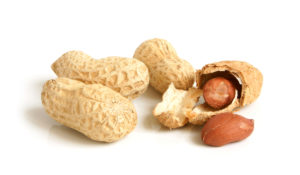
“This decision is not related to product safety, quality or efficacy,” the spokesperson says. Palforzia oral immunotherapy has involved administering precisely calibrated capsules of peanut protein powder in gradually increasing daily doses until a maintenance dose is reached. The treatment was designed to reduce the risk of accidental reactions in children ages 1 to 17 with a peanut allergy.
Following its approval, the FDA-sanctioned therapy succeeded in addressing an unmet need, says Dr. Stephen Tilles. He has been involved with Palforzia since its beginning. He was a co-author of the pivotal study that led to the FDA’s 2020 approval for the Palforzia’s peanut therapy.
“Its commercial failure and subsequent withdrawal have left many patients without access to a standardized treatment option,” he says. The Washington state allergist is a medical consultant for Stallergenes Greer, and a previous medical director for Aimmune Therapeutics, which developed the therapy.
Palforzia’s Uphill Battle
A variety of factors contributed to the discontinuation of the peanut allergy treatment that held so much promise.
Stallergenes Greer points to the requirements for providing Palforzia allergy therapy as one barrier to its success. “The complexity of the treatment protocol – including administrative and in-office dosing requirements – has limited broader adoption in clinical practice,” the Stallergenes Greer spokesperson tells Allergic Living.
Palforzia’s OIT protocol involves daily doses of the peanut powder mixed into food. It also requires frequent up-dosing office visits, and can cause allergic reactions early in the treatment, Tilles explains.
Had the peanut allergy therapy been in the form of a daily pill with fewer allergic side effects, it likely would have become the standard of care, he says. “While Palforzia was never that product, I believe it still could have succeeded despite its imperfections.”
When the FDA approved Palforzia, it required a complex prescribing and administration process called the Risk Evaluation and Mitigation and Strategy (REMS) program. The safety program mandates certification of prescribers, offices, pharmacies and patients.
Tilles views that as a barrier to the wide uptake of the therapy. O’Shea agrees. “I do think the administrative and logistical burden was enough that many [allergy] practices chose not to offer Palforzia at all,” she says.
The timing of Palforzia’s launch at the onset of the COVID pandemic in 2020 was also a significant factor in thwarting the treatment’s success. Tilles notes that “prolonged in-office visits were incompatible with nationwide shutdowns, undermining extensive planned support for patients and clinicians.”
What if You’re on Palforzia?
Patients currently taking Palforzia are facing uncertainty as they transition off the treatment during the brand’s wind-down.
“My immediate concern is for current patients on Palforzia,” says O’Shea. “We need to make sure they have clear guidance during this time,” says the clinical assistant professor at the University of Michigan.

Stallergenes Greer advises patients to discuss decisions regarding whether and when to initiate or complete treatment with their prescribing allergist. Patients who are building up on Palforzia will have a chance to finish their up-dosing process if completed by the end of July, Tilles says.
“Patients currently receiving Palforzia should continue treatment as prescribed and should consult their healthcare provider before making any changes to therapy,” advises the Stallergenes Greer spokesperson.
O’Shea notes that each medical office may choose to approach the transition differently. “The best therapeutic choice for an individual patient depends on the patient’s allergy profile, goals, and practical realities,” she says.
One treatment course for Palforzia patients could be to continue OIT using other sources of peanut purchased from the grocery store. Tilles notes that some patients on Palforzia have switched to such food products during their first year of treatment. He says this is generally safe, once they tolerate the Palforzia maintenance dose of 300 milligrams (the equivalent of 1 peanut kernel).
“The good news is that without Palforzia, peanut allergic patients still have other options,” Tilles says.
Allergy Treatment Options
Other therapy choices continue to emerge for peanut and other food allergies. There are now biologic drugs that target IgE antibodies to reduce allergic reactions. Xolair (omalizumab) has seen success in desensitizing patients to food allergens since it was approved in 2024. The injectable medication was the first drug to prevent allergic reactions from accidental exposures to multiple food allergens in adults and children ages one year and older.
Xolair is more convenient to dose (once or twice monthly) with fewer side effects, Tilles says. However, unlike OIT, Xolair is less likely to have long-term benefit once it is stopped.
In addition, biologic therapies that are similar to Xolair, called biosimilars, are being developed. For example, the biosimilar Omlyclo, which is almost identical to Xolair, is slated to launch in the fall of 2026.
More options appear to be on the horizon with GSK’s January 2026 purchase of RAPT Therapeutics. The biopharmaceutical company has an anti-IgE therapy called ozureprubart, aimed at protecting against allergic reactions. The Xolair rival, still in the early stages of clinical trials, would only need to be administered every 12 weeks.
Sublingual immunotherapy (SLIT) for peanut allergy has fared well in some studies. Plus, there are other options in the food allergy pipeline.
“I am excited that there is so much happening in the world of food allergy right now, which will only provide us more options with which to treat our patients,” O’Shea says.
Palforzia’s Legacy
Since Palforzia’s landmark approval in 2020, the allergy therapy has helped to desensitize patients at risk of allergic reactions from peanuts. Just a year ago, in March 2025, Stallergenes Greer expanded its treatment availability to add toddlers.
“While we still don’t know with certainty which patients derive the most durable benefit, Palforzia was clearly most effective in younger children, particularly toddlers,” Tilles says.
The OIT treatment has also informed new developments since it was initially developed under Aimmune Therapeutics.
The “invaluable data” generated through the Palforzia clinical program have provided clinical insights, Tilles notes. Those have “improved how off-label peanut oral immunotherapy is prescribed today.”
As for another FDA-approved OIT product for food allergy emerging, Tilles does not expect that anytime soon. Development and regulatory expenses are very high.
“My hope is that we can instead raise the bar on how we understand and standardize food allergen sources used in clinical practice,” he says.
The quality and consistency of food allergens that are purchased at the grocery store warrants further study, he says. If products can be better characterized for dosing, they could be used to provide safe, affordable allergy treatment.
For example, products like Bamba peanut puffs and some forms of peanut flour are consistent in the amount of peanut allergen contained, he says. But other products vary in how much peanut allergen is present.
As Palforzia exits the food allergy treatment arena, it leaves a food allergy community with expanded knowledge and hope for new allergy therapy options.
“Palforzia taught us a tremendous amount, both clinically and immunologically,” O’Shea says. “I hope Palforzia’s biggest legacy will be that it created a foundation that should accelerate new therapeutic approaches.”
Related Reading:
Low-Dose Peanut OIT Worked Well in Study, With Fewer Reactions
In Toddlers, OIT Can Lead to Peanut Allergy Remission: Study
Palforzia OIT Study Sees Maturing of Immune System Over Time