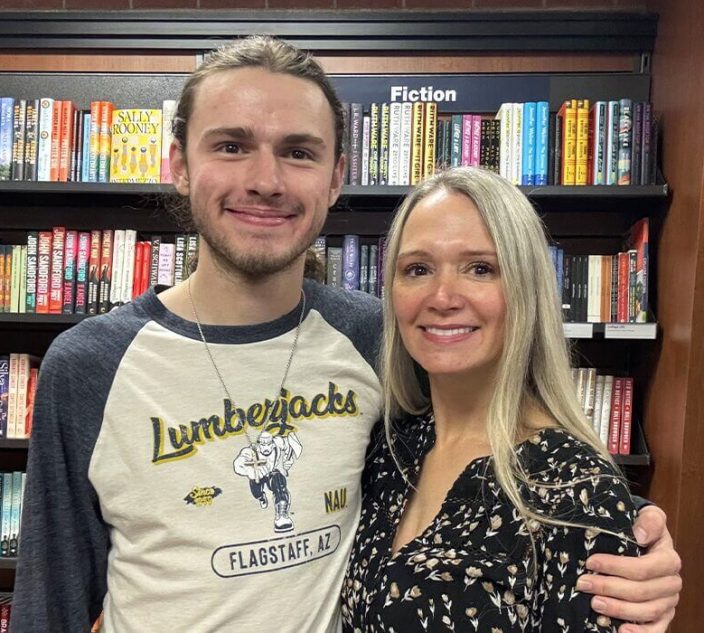

A former inmate with celiac disease has reached a $630,500 settlement over a lack of safe, gluten-free food during his time in jail. Gaven Picciano took legal action against Clark County, Washington, after he reported being malnourished over three weeks to the point of collapse.
The man repeatedly disclosed that a gluten-free diet was a medical necessity. However, the lawsuit says the former Vancouver, Washington resident was not provided with food he could safely consume.
Picciano spent 21 days at the Clark County Jail after his arrest on misdemeanor charges on January 30, 2020. He experienced hunger, dizziness, significant weight loss, as well as vomiting, diarrhea and stomach pain. Twelve days after his arrest, he collapsed and was designated as “code blue,” according to the lawsuit.
The settlement with Clark County is validating after “being afraid you’re going to die and not have any power to do anything about it for 21 days,” Picciano’s attorney Mary Vargas tells Allergic Living. “To be able to have the settlement, means what happened to him mattered.”
The September 2025 public settlement sets a legal precedent regarding medically necessary diets, including those for celiac disease and food allergies. It comes five years after Picciano, who was 26, filed a complaint in November 2020 in federal court in Seattle.
A significant outcome like this should not only alter the actions at the Clark County Jail, but also impact the behavior of other facilities, Vargas says. The disability rights attorney is a partner in the firm Stein & Vargas LLP.
She hopes that other county jails and prisons take note. “Hopefully, as a matter of risk management, if not as a matter of humanity, they will act differently,” Vargas says.
Case Targets Arizona Prison Food
Yet, not long before the Clark County settlement, another inmate filed a lawsuit over the need for a medically necessary diet.
A July 2025 complaint says that Douglas Gilbert was not being served meals safe for him to eat since his February 2022 incarceration at Arizona’s Eyman prison complex. Gilbert has celiac disease and allergies to dairy and eggs. Then, since July 2024, the complaint says the prison has only fed him one meal, which contained wheat and dairy.
Vargas is co-counsel on this lawsuit, filed in federal court in Arizona, along with the ACLU (American Civil Liberties Union) foundation of Arizona. She says that, for more than a year, Gilbert has survived on protein shakes that the prison’s medical team provide. He also buys a few items, such as chips, at the commissary. The suit says these do not come close to meeting his nutritional needs.
“This case is about the most basic constitutional and human right: the right to safe and adequate nutrition,” says the lawsuit. An emergency motion, filed at the same time, seeks an injunction to obtain safe food for Gilbert.
The injunction asks the Arizona Department of Corrections, Rehabilitation and Reentry to “provide him nutritionally adequate meals free of gluten, eggs, and dairy.”
Gilbert is serving a sentence of 10 years for a jury conviction of sexual conduct with a minor and involving the 17-year-old in drug offenses. While these serious crimes make him less than a sympathetic character, convicts are supposed to be able to eat while serving sentences they’ve been handed.
“Asking that somebody in custody be kept from death by making sure they are served basic meals that are safe for them seems like such a very low bar,” says Vargas.
Inmate at “Risk of Death”
Gilbert has repeatedly asked for the diet he requires since February 2022. He provided documentation of his celiac disease and the food allergies, and the complaint says the prison’s healthcare providers have confirmed his conditions.
The lawsuit says the inmate suffers from severe hunger, heart symptoms and loose teeth due to lack of nutrition, as well as fatigue. He also was hospitalized for emergency care, the complaint states.
A physician ordered the prison to serve Gilbert a safe diet, but Vargas says that has not happened. In addition, on July 9, 2024, the prison completely stopped feeding him. This began after Gilbert refused to sign off on the diet that was “medically unsafe for him to eat,” Vargas says.
Inmates are generally served the most basic food, she notes. “So to not even get that, to get nothing, is unthinkable and profoundly devastating. We are concerned that he is at imminent risk of death,” Vargas says.
The attorneys are awaiting a decision on the emergency injunction, Vargas says. They are in the discovery phase of the lawsuit, which seeks that the prison is ordered to safely feed Gilbert. It also seeks compensatory damages, attorney fees, and a jury trial.
Picciano: Hunger’s Effects
In Washington, Picciano also filled out medical forms to inform the Clark County Jail about his celiac disease, and to request a gluten-free diet.
But he was not provided with safe food, other than a banana and some vegetables, according to the complaint. “Again and again, he requested approval for gluten-free food that was safe for him to eat and again and again, his requests were ignored, discarded, or brushed off,” the lawsuit states.
After 12 days of not eating a full meal, Picciano ate a meal he was told was gluten-free. That’s when he collapsed and was transported to the hospital for emergency care. Upon release from the hospital, physicians directed the prison to serve Picciano gluten-free meals.
However, according to the lawsuit, that did not occur. For example, he was given gluten-containing foods such as a hot dog in a bun, a muffin, and beef stew.
“Mr. Picciano was terrified as he felt his body shutting down due to lack of food and poor nutrition,” says the complaint.
On February 20, 2020, Picciano left the Clark County Jail after making bail, and the claims against him were resolved. His September 2025 settlement over insufficient food in jail came just before his case against Clark County was to go to trial.
Picciano has moved back to Michigan, where he lives on a Native American reservation.
In addition to Vargas, attorney Charles Weiner and the nonprofit Washington Civil & Disability Advocate were also co-counsel in the case.
Inmate Cases: Change Needed
These lawsuits in Washington and Arizona illustrate a need to ensure that inmates are safely fed, Vargas says.
“The U.S. Constitution says that people who are being detained or incarcerated still have basic constitutional rights,” she says. “And that includes adequate food and nutrition.”

In each case, the inmates repeatedly filed notices and grievances declaring their need for medically necessary diets. But, it hasn’t mattered, Vargas says.
The attorney finds it astounding that prisons have not all updated their policies on providing safe food following one young man’s death.
She points to Michael Saffioti, who died in 2012 of a severe allergic reaction to dairy. After one night in a jail in Washington state on a misdemeanor marijuana charge, the 22-year-old collapsed in his cell. He’d eaten oatmeal that contained dairy.
Saffioti’s mother settled a lawsuit with Snohomish County for $2.4 million in 2015. The complaint asserted that the prison did not serve him a medically approved diet. This was in spite of being informing about his food allergies and asthma.
“The fact that when a young man dies, unnecessarily in detention, it didn’t send warning bells in these county jails was so concerning,” Vargas says.
The change must come in prison policies so that inmates don’t have to wait for the release and approval of medical records before receiving a safe diet, she says. When someone says they have food allergies or celiac disease, it should be standard to provide meals that meet their needs, Vargas says.
There isn’t much more that an inmate can do, other than state their medical diagnosis and ask for the diet they need, she says. “Once they’re in custody, it is on the system to protect them and to feed them safely.”
As for Picciano, once he was out jail, he was able to take action through the lawsuit and settlement. “I think he felt like he was given some voice,” Vargas says. “That was really important.”
Related Reading:
Family Settles Suit for $2.4 Million in Jail Allergy Death
Bullied for Allergy, Texas Football Player is Now a State Champ