As temperatures drop into the frigid range, the good news is that seasonal allergies subside. But for the allergic community, the winter cold and flu season simply means a different challenge: where sneezing left off in early fall, wheezing often steps in.
A viral infection can make sensitive airways more reactive, leading to an increased propensity for asthma attacks and the need to up your medication. While regular exercise is often prescribed to help the immune system, winter sports also go hand in glove with a higher incidence of asthma exacerbations.
Scientists have yet to stumble upon a magic bullet for keeping viruses at bay, but many are turning to diet as a potential first line of defense. Far from the “superfood” fads of summer berries, pricey powders or top allergens like salmon and almonds, Mother Nature offers her own seasonal grocery list to bolster health and help to fend off infections.
1. Seasoning Saviors
 Your spice cabinet deserves some healthy respect. While black pepper is often dismissed as the “iceberg lettuce” of seasonings, it aids in the absorption of valuable nutrients from other foods such as curcumin, the much-lauded yellowing compound in turmeric.
Curcumin metabolizes quickly, so its potential infection- and cancer-battling benefits are often lost. But a study in India found that the substance piperine in black pepper increased availability of curcumin to the body by up to 2,000 percent. Further research has shown that both black pepper and the spice cardamom could also aid natural killer cells that attack tumors.
How to Enjoy: Marry fragrant spices in a homemade curry powder.
Combine: 1½ tablespoons coriander seeds, 2 teaspoons turmeric, 1½ teaspoons cumin seeds, ½ teaspoon black peppercorns, ½ teaspoon crushed red pepper, ½ teaspoon cardamom seeds, ¼ teaspoon whole cloves, ¼ teaspoon ginger powder and 1/8 teaspoon cinnamon in a spice grinder, and blend until powdered. Whisk into coconut milk for a quick Indian curry or sprinkle it on popcorn.
2. Red Meat Redemption
 Long lambasted as a promoter of heart disease and cancer, beef is now making special appearances in the health community. “Lean beef in moderate quantities provides many nutrients the body needs,” notes Rachel Begun, registered dietitian and spokesperson for the Academy of Nutrition and Dietetics. “Beef is an excellent source of zinc, a mineral important for immune system functioning that is often lacking in untreated celiac disease.”
According to the USDA, animal products provide half of the zinc in American diets, and the percentage needed from meat (such as beef or lamb) may be even higher for those who can’t consume dairy, shellfish, oats or fortified wheat products. The trace mineral selenium is another antiviral essential that is abundant in top allergens such as seafood, but can be obtained through red meat.
How to Enjoy: If your budget permits, seek out grass-fed meat, which has higher levels of key antioxidants, such as vitamin E and beta-carotene. To keep portions modest, slice beef thinly against the grain, season, and quickly cook in a drizzle of oil on high heat. Add 3 ounces per person to stir fries, pastas or salads.
3. Sunflower Powered
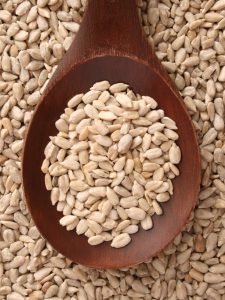 Almonds get most of the vitamin E attention, but sunflower seeds actually surpass nuts when it comes to this vital antioxidant. Vitamin E works together with other nutrients, such as vitamin C and selenium, to support the immune system response and stimulate production of white blood cells that attack bacteria, disease and infections. Increased vitamin E intake has even shown promise in reducing the incidence of viruses, such as colds.
But before you reach for those vitamin E supplements (which often contain soy, an allergen for some), consider this: According to continuing studies in the U.K., low vitamin E intake during pregnancy has been linked to asthma in children, but the form of the vitamin found in foods appeared to lessen the risk.
How to Enjoy: Look for raw sunflower seeds or roasted varieties that aren’t processed on shared equipment with top allergens. Sunflower seed butter is also available as a peanut butter alternative, and you can grind your own to make a creamy salad dressing.
4. Wealth of Winter Squash
 Like carrots, pumpkin and other winter squash get their earthy orange tones from alpha- and beta-carotene, which the body converts into vitamin A. Beta-carotene is a mighty antioxidant that increases production of immune-supporting white blood cells, which rapidly respond to virally infected cells and tumors. Beta-carotene has even shown promise in the prevention of exercise-induced asthma symptoms.
But winter squash offer benefits that extend beyond their rich hues. Studies are finding that the carbohydrates in these hearty vegetables house starch-related components that also have antioxidant, anti-inflammatory and even insulin-regulating properties.
How to Enjoy: Pumpkin puree makes a delicious addition to warm beverages, soup and chili. Or simply indulge in roasted fresh winter squash. Peel, seed and cut a 3-pound butternut squash into 1-inch chunks. Place on a baking sheet and toss with 2 tablespoons olive oil, 1 tablespoon maple syrup, 1 teaspoon salt and ¼ teaspoon black pepper.
Roast for 20-30 minutes at 400 degrees F, turning once half way through. And don’t cut back on the oil; it aids the absorption of fat-soluble beta-carotene.
5. Citrus A-Peel
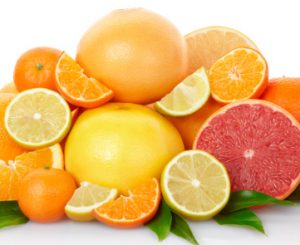 Sunny in flavor and color, it’s easy to mistake citrus for warm weather fruit, but they are actually at their peak during cooler months. “Grapefruit, oranges and lemons are loaded with vitamin C, an antioxidant well known for its immune-strengthening properties,” says dietitian Begun.
There is debate on exactly how vitamin C works to fend off illness, but research has shown that it is found in high concentrations in immune cells and is quickly consumed during infections. For the allergy-prone, vitamin C is also a natural antihistamine.
Another, lesser known benefit of citrus is the compound limonin, which gives the fruit and peel its bitterness. In animal and human cell studies, limonin exhibited lasting anti-carcinogenic effects in certain cancers, including colon and breast.
How to Enjoy: Begun recommends squeezing lemons, limes, oranges or grapefruit into drinks, sauces and dressings for a pop of flavor enhancement.
Her suggestion was employed in our Massaged Kale Salad with Pomegranate and Citrus.
6. Vanquishing Veggies
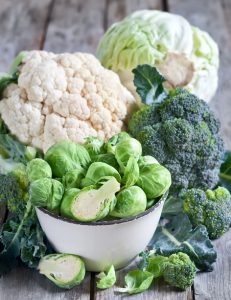 The unstoppable family of Brussels, broccoli, cauliflower, kale and cabbage is packed with antioxidants, bone-building vitamin K, and immune cell-supporting amino acids, which are rapidly utilized when infections are present. But recently, scientists have turned their attention to a lesser known phytochemical in these plants, sulforaphane.
According to UCLA researchers, sulforaphane can stimulate antioxidant and enzyme defenses to help reverse age-related declines in immunity and may also help to control asthma by exerting anti-inflammatory effects.
Begun also says not to shy away from fresh fermented preparations. Sauerkraut, for example, possesses the nutritional benefits of cabbage plus probiotics to help restore and balance intestinal flora. “Research shows there is a strong connection between the health of our gut and the immune system,” she notes.
How to Enjoy: Cooking reduces sulforaphane levels, so we recommend the Cran-Apple Crunch Chicken Salad with Creamy Maple Dressing which contains a double dose of crisp cabbage.
7. Teas: Steeped in Health
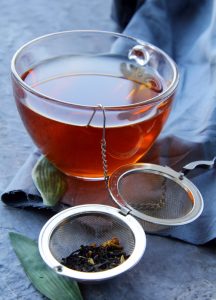 It may be time to swap your morning mocha habit for a few mugs of hot tea. “Black, green and white teas contain the amino acid L-theanine, which boosts the body’s defenses against infection,” says Begun.
Antioxidants in tea have received attention for their potential protection against heart disease and cancer, but L-theanine, found exclusively in the tea plant, may be an unsung hero for fending off the flu. The amino acid appears to enhance immune cell function, boosting resistance to bacteria and viruses.
Tea is also gaining attention for its potential to mitigate allergic reactions. A 2010 study from the State University of New York demonstrated the ability of green tea extract to reduce the production of IgE, the principal allergy antibody, in human cells by up to 90 percent.
How to Enjoy: All members of the tea family provide benefits, but the younger green and white versions offer the most goodness. Brew these delicate varieties at 175º F, or enjoy a cool detox with our Matcha Magic Smoothie
8. Pungent Powers
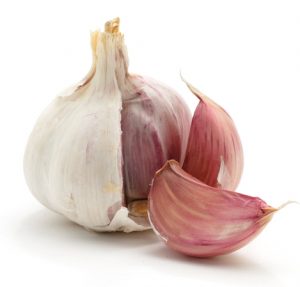 The sulfur compounds in garlic do more than ward off your date; they can also launch a potent attack on viruses, fungus, parasites and bacteria. The most well-studied sulfur agent, allicin, impressed in one study with an ability to reduce the frequency and severity of the common cold.
The role of allicin is to protect members of the onion family from pests. It is only released when damage occurs, which is why scientists recommend crushing garlic just prior to consumption to reap the full benefits.
How to Enjoy: Add freshly crushed garlic near the end of cooking or use it raw as a flavor component in dressings. For a multi-use vinaigrette, place ¬æ cup olive oil, ¼ cup balsamic vinegar, 1 tablespoon freshly crushed garlic, ½ tablespoon maple syrup, ½ teaspoon salt and ½ teaspoon black pepper in a jar. Seal and shake to combine.
9. Friendly Fungus
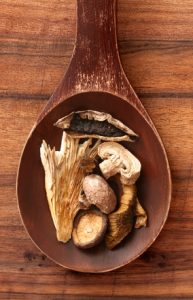 Medicinal mushrooms have long been prized in Asia, and recent studies have shed light on the reason. Yeast and certain fungi, such as shiitake, maitake and reishi mushrooms, contain beta glucans, carbohydrates that play a role in the balance of the immune system. They prevent excessive activity, but conversely also stimulate immune responses when needed to fight infection. A University of Montana study further demonstrated the ability of these beta glucans to help suppress cold and flu symptoms.
Medicinal mushrooms are sold fresh and dried but, if unavailable, ordinary crimini mushrooms should not be overlooked. They are a notable source of other immune supporters, including selenium, riboflavin, zinc and vitamin D.
How to Enjoy: Toss dried shiitakes or medicinal mushroom blends in soups or risotto. Fresh versions can be sliced and added to stir-fries or light pastas.