Aquestive Therapeutics says it is on track to resubmit its application for the approval of Anaphylm to the Food and Drug Administration (FDA) in the fall of 2026.
The company says it is ready to start a new human factors study on the dissolving epinephrine film for treating severe allergic reactions. In declining to approve Anaphylm in January 2026, the FDA said it first required this new study, since Aquestive’s data showed some user errors opening the film’s pouch.
Now, the company is awaiting the federal agency’s review of the study’s protocol so that efforts toward Anaphylm’s approval can move forward, says Aquestive president and CEO Dan Barber. He expects to hear from the FDA in the next few weeks.
“The completion of this data is dependent on the FDA providing responses to our human factors protocol on time,” Barber told an online investors meeting on May 14. His team’s hope is to have the data from the human factors study completed by August.
The FDA also called for an additional study regarding some patients placing Anaphylm incorrectly in the mouth or chewing it. Barber says results from that study could be available by August as well.
In late January, the FDA sent a complete response letter to Aquestive outlining its reasons for not approving the epinephrine film’s drug application. The letter noted some cases of difficulty opening the pouch, plus some incorrect use of the film. Anaphylm is intended to be placed under the tongue where it dissolves on contact with the mucous membrane.
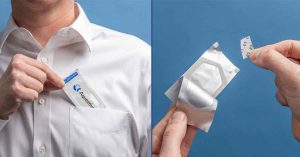
Anaphylm (dibutepinephrine sublingual film), which is about the size of a postage stamp comes in a slim foil pouch that’s about the length of a credit card.
Aquestive Studies for FDA

Since the federal agency raised its concerns, the company has been working to fulfill the FDA’s requests. Barber says Aquestive completed an in-person Type A meeting with the agency, the study designs are complete, and the clinical sites are standing by.
Once the FDA protocol review is complete, “we will start our studies and be on our way,” Barber says. “We’re ready to go.”
The agency asked the company to conduct the new human factors study using revised packaging and labeling instructions. The new pouch features a simplified one-step process and includes an image showing correct placement under the tongue.
The human factors study will include 135 participants in nine user groups. Participants include adult and pediatric patients, school nurses, emergency medical technicians, and passersby.
The study on placing the film incorrectly is known as a pharmacokinetic study. That study will include 48 participants who will use an epinephrine device or Anaphylm over three days. The study will include some patients using the sublingual epinephrine film incorrectly, such as on top of the tongue.
Once the study results are complete, Aquestive plans to resubmit its application to the FDA. The agency then will have six months to review the application. Aquestive plans to request an expedited review, though Barber acknowledges the “timing remains subject to FDA feedback and ongoing review processes.”
The company is seeking approval for use in adults and children weighing 66 pounds or more.
Building Anaphylm Awareness
If approved, Anaphylm would be the second needle-free epinephrine product. The first is neffy, the nasal epinephrine spray.
The Aquestive team continues to work toward its launch for Anaphylm. It plans to strengthen relationships with healthcare providers, have a strong medical affairs presence in the allergy community, continue publishing related clinical studies and focus its marketing efforts.
Barber and other Aquestive staff members also outlined financial moves to support the cost of launching Anaphylm. The company expects to have more than $150 million in cash at the time of launch to focus on building awareness and access within the allergy community, Barber reported.
Plans to bring Anaphylm to Canada, Europe and the United Kingdom also are on track to submit applications for approval for the second half of 2026. Those regulators have not required additional studies.
“I truly believe Anaphylm is a product that will save lives and we want as many people as possible on this planet to ultimately have access to it,” Barber says.
Related Reading:
CEO Sees Clear Path After FDA Rejects Anaphylm Epi Film
Neffy Epi Spray Works Even if You Sniff, Stands Up to Extreme Heat