Walt Disney World has removed the option to note food allergies in its Advanced Dining Reservation booking system. The change has elicited concern that the theme park’s magic has lost some of its luster for food-allergic guests. But the updated allergy process is nothing to fear, according to Disney vacation planner Lizzie Reynolds.
In fact, she views Disney’s advice that guests should speak in person to restaurant staff about their food allergy needs as a positive change. Communicating at the exact dining location is essential, rather than relying on information provided in advance, she says.
“That way no one assumes that the chef has been told that someone in your party has an allergy,” Reynolds tells Allergic Living. The travel agent specializes in helping customers with food allergies plan trips through her business Pixie Lizzie.
The website Inside the Magic reported in early February 2026 that reservation forms on the My Disney Experience app and the Disney World website no longer include the field to note food allergy information. The site’s article also adds that the theme park now advises that guests with dietary needs must speak to their server.
Allergic Living notes that the same booking change also applies for Disneyland restaurants in Anaheim, California.
For Reynolds, Disney’s booking system change aligns with her mantra that in-person conversations result in the safest dining experiences. She has always advised her clients to ask to speak to the chef when they arrive at a restaurant,
“You want to talk to the person who is cooking your food if you carry an EpiPen,” Reynolds says.
Concern: Menu Allergy Disclaimers
Disney’s ability to accommodate food allergies, and even to go above and beyond in making food-allergic guests feel special, is well-known. Tourists often turn to the theme park to provide safe dining options through ingredient transparency and strict allergy dining protocols.
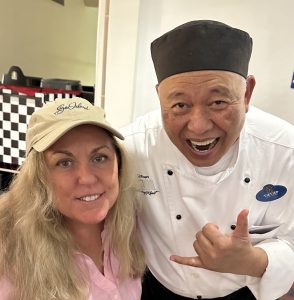
The chefs at Disney are touted for their efforts to make guests with special diets feel cared for and included. The chefs’ willingness to come out to speak to guests and prepare meals specifically to meet their needs, regardless of a reservation, is a testament to their dedication, Reynolds notes.
It is no surprise, however, that any change to Disney’s allergy system has put the food allergy community on alert.
The 2026 changes at Disney World and Disneyland also include updated wording in the allergy disclaimer on their websites and online menus. It includes the statement, “While we take steps to prevent cross-contact, we cannot guarantee that any item is completely free of allergens.”
The “can’t guarantee” wording reflects legal statements that are becoming common on restaurant menus and in-store food product labels. But some Disney guests are voicing concern about the reason behind the new wording and whether it reflects any change in the theme park company’s commitment to allergy safety.
The company’s statement goes on to say: “It is ultimately at Guests’ discretion to make an informed choice based upon their individual dietary needs.”
In fact, Reynolds advises her clients that, even with extensive preparation and communication, it is important to trust your gut. “If you ever feel uncomfortable eating at a restaurant, don’t eat. Get up and walk out,” she says.
Disney did not provide a reason for the changes, nor did theme park spokespersons respond to Allergic Living’s request for comment.
Concern: Disney Booking
The booking change, which removes one way for diners to communicate allergies, understandably has raised concerns. Travelers logging on to book a table are raising questions about whether the inability to note allergies on their reservation signals a larger change.
On social media, some food allergy community members have voiced concerns about Disney’s own accountability regarding allergy safety. Others wonder how a lack of advance notification would affect accommodations during a busy time in a restaurant.
In its article, Inside the Magic questioned whether restaurant staff could provide “the same level of safety and accommodation without the advance notice system.”
Previously, a guest booking a table in advance would see a “Special Dietary Requests” screen to check off common allergens, like dairy, peanuts and shellfish. That information stayed with the reservation, providing guests with the first line of communication about their allergies.
However, Reynolds notes that the allergy notification had been insufficient because it did not allow guests to denote which guests on the reservation have which allergies.
Additionally, the previous system did not provide a spot to list allergies outside of the top nine allergens or other dietary needs. In light of those system shortcomings some, including blogger Seely Lee of SafeDiningFood, see Disney’s move to drop the advance notification as more inclusive.
Advice for Disney Guests
While a change in allergy protocol feels unsettling for Disney guests, there are steps food-allergic tourists can take to help ensure they enjoy safe meals.
Disney World’s website has a special diets section that explains steps guests should take. It also suggests guests with four or more allergies email the special diets team at [email protected] to discuss dining needs.
Some steps Disney travelers can take include:
- Research Restaurants. The Disney website includes restaurant information and menus with allergen ingredient information. Reynolds prefers to book Disney-owned restaurants because she trusts their standard for allergy training and protocols. But there are some non-Disney-owned restaurants that she feels comfortable sending clients to, such as Frontera Cocina, the Rainforest Cafe, the Boathouse, and Yak and Yeti.
- Communication at a Table-Service Restaurant. Upon arrival, go to the hostess stand and ask to see the chef to discuss food allergies, Reynolds says. Also inform the wait staff of your allergies once seated. Make sure your meal has an allergy pick inserted, or another visual indicator of allergies, when it arrives. Again, have another conversation with the chef or server to verify the meal is correct.
- Communication at a Quick-Service Location. When you walk up to a kiosk to order food such as churros, Dole Whip or a burger, ask for the manager and request the allergy binder so you can look up ingredients and cross-contact risks. Ask whether there is a dedicated fryer, as well, Reynolds notes.
Disney Checkup
With Disney’s allergy booking changes, Reynolds has decided to see for herself the impact of the update.
The travel agent has booked a Disney World trip for February 20 through 22. Reynolds plans to go to each park, talk to chefs, get snacks and dine at table-service restaurants. She will post her findings and insights on her Facebook and Instagram accounts.
Reynolds began her Pixie Lizzie business as the mom of a daughter with multiple food allergies. She recommends that travelers book their Disney trip through a travel agency, especially someone who is an expert in navigating food allergies at the theme park.
“It would be daunting to try to figure all of this out,” she says.
She has been soothing her clients about the booking update, as well, telling them, “I do trust Disney. I think Disney is the gold standard.”
Related Reading
Travel Booking: Allergic Living’s Airlines and Allergies Guide
Advocates Celebrate as California’s ADDE Menu Act Becomes Law