


The emotional weight of raising a young child with peanut allergy is real and well-documented.
Research consistently shows that food allergy places a significant psychological burden on families, often reshaping social lives around the logistics of constant vigilance and strict avoidance.
As a practicing allergist, I see elevated anxiety, reduced social participation, and a particular kind of exhaustion that comes from sustained hypervigilance.
Despite the growing prevalence of food allergies in the United States, I used to feel that clinical research was lagging, leaving families with limited or no options. When I first started practicing medicine, the guidance was straightforward: avoid peanuts completely and be prepared to treat a reaction if one occurs.
However, in recent years research has started to reshape how we think about peanut allergy – particularly in young children. I think there are real reasons for families to feel cautiously optimistic right now.
Why Younger Children are at the Center of This Research

One of the most meaningful shifts I’ve seen in food allergy science over the past decade is the shift in examining how early exposure to foods affects the immune system in toddlers and young children.
It makes sense – peanut allergy typically emerges early in life, and early childhood is a period of rapid immune system development. The immune system is still being shaped during those first years, still learning what to tolerate and what to fight.
We already have powerful evidence that timing matters for prevention. The landmark LEAP study, published in the New England Journal of Medicine, showed that introducing peanut early in infancy reduced the likelihood that high-risk children would develop peanut allergy.
In fact, the risk was reduced by more than 80% by age five. Those findings fundamentally changed guidelines worldwide and highlighted the remarkable adaptability of the immune system in early childhood.
Using that logic, if early exposure can help prevent allergy, could early therapeutic intervention influence the condition during this same window of immune development therefore treating peanut allergy in children who already have it?
Researchers are now exploring several approaches for young children with food allergies designed to gradually reeducate the immune system to increase its tolerance to peanut.
These therapies aim to increase what allergists call the eliciting dose – the amount of peanut exposure required to trigger an allergic reaction. This means that through desensitization a child who might react to trace amounts of peanut could potentially tolerate larger exposures before symptoms occur. For families, this increased threshold can be meaningful. Even if a child remains allergic, raising that threshold may help reduce the risk of reactions from accidental exposure.
I find this line of research and the data it is producing genuinely compelling. The toddler years are often when families feel the most stress. Children are too young to advocate for themselves, yet they are increasingly moving through daycare, playdates, and other environments their parents can’t fully control. If treatment is going to make a meaningful difference in quality of life, starting earlier seems like it could matter.
A Different Kind of Approach
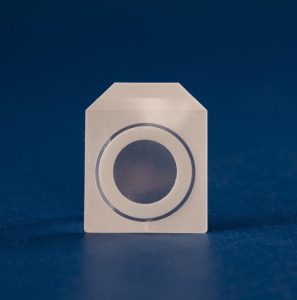
One area of investigation that’s attracted significant attention in the allergy community is epicutaneous immunotherapy, or EPIT. EPIT delivers very small, controlled amounts of peanut protein through the skin.
The skin is home to specialized immune cells involved in regulating responses to foreign substances like allergens. By introducing peanut protein through that pathway, researchers hope to gradually retrain how the immune system responds to peanut, thereby reducing the frequency and severity of reaction, if there is an accidental exposure.
Research has shown promising results specifically with a patch-based approach using EPIT. A large phase 3 trial published in the New England Journal of Medicine studied the patch in children ages 1 to 3 and found that a meaningful proportion of children were able to tolerate significantly more peanut protein than those who were not exposed to peanut (placebo).
I see this investigational treatment as having the potential to be a non-invasive, feasible approach for families if approved, and that’s why I am a part of an ongoing clinical trial that is further studying the patch in this specific age group.
Partnership Between Families and Science
Many advances in allergy treatment have depended on clinical trials and it’s the families who participate in those trials that contribute to the progress we have made in food allergy treatment: those who raised their hand and desired to do more than avoid peanuts and carry an epinephrine delivery device, those who spoke to their allergist about the toll hypervigilance takes on their child and family, those who found community with an advocacy group, and those who participated in clinical trials.
Families interested in learning more about ongoing peanut allergy research investigating EPIT via a skin patch and joining the more than 1,600 children aged 1 to 7 years who have been administered over 1.1 million patches across peanut allergy clinical trials, can visit the clinical trial website to learn more.
To learn more about other ongoing trials for your peanut-allergic child, please speak to your allergist or visit clinicaltrials.gov.
Disclosures
This article was sponsored by DBV Technologies.
The information regarding epicutaneous immunotherapy and the patch-based approach contained here is under clinical investigation, is for investigational use only and has not been approved by the FDA, or by any other regulatory authority, for any use.
Dr. Dareen Siri, an allergist-immunologist at Midwest Allergy Sinus Asthma, SC, serves as a clinical investigator in studies evaluating epicutaneous immunotherapy for pediatric peanut allergy. This includes the investigational treatment above.